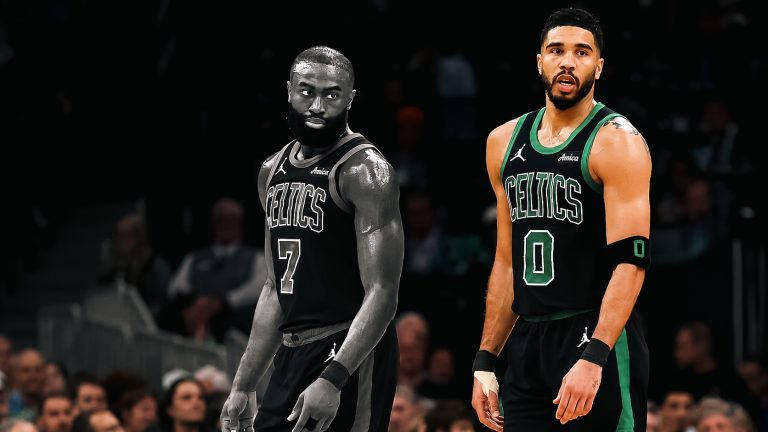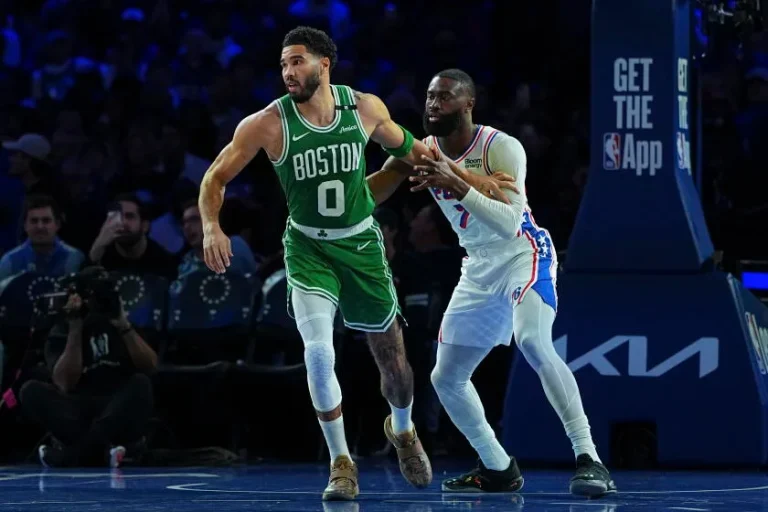


Jaylen Brown is a Celtic no more. A lot of Boston is hurting over that and those feelings are valid. He gave this city eight years, a championship, and a lot of reasons to love him. The reaction makes sense. But personally? I was fine with the trade happening. I said it before it went down and I’ll say it again now. The situation had run its course. The fit was wearing thin. Moving on made sense for both sides. What I was not fine with is what Boston got back.
The Return Doesn’t Add Up
Here’s what Boston walked away with: a package built around draft picks and Paul George. A 2028 first-rounder, a 2030 first-rounder, and a couple of second-rounders. Paul George, who at 34 years old is carrying what is widely considered one of the worst contracts in the NBA. That’s the haul. That’s what the Celtics got for a 28-year-old max player coming off the best statistical season of his career. I had a feeling the return would be lower than expected. Just not this low.
Let’s be direct about this. Jaylen Brown averaged 28.7 points, 6.9 rebounds, and 5.1 assists per game last season. That’s not a bag-of-picks-and-an-aging-star player. That’s a max player in his prime years. Paul George was once one of the best two-way players in the league, nobody is taking that away from him. But at this stage of his career, on that contract, he’s a significant question mark at best and a roster anchor at worst. The Celtics got futures and a gamble for a guy they knew exactly what they were getting.
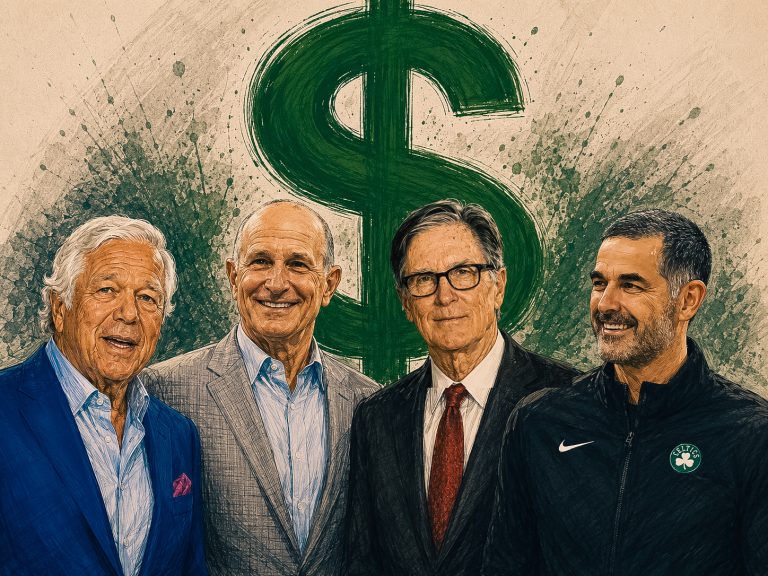
Now, draft picks aren’t worthless. Picks win you championships, maybe eventually, if you hit on them. But you know what wins you championships now? Star players. And Boston just traded one for the promise of maybe having another one somewhere down the road. That’s a massive gamble on a front office that hasn’t given us a ton of reasons to trust its asset management decisions recently. We wrote it here before it happened. The trade was coming. The return is what stings.
Boston isn’t buying it either. You can feel it across the city. The trade happened and the reaction wasn’t relief. It was anger, followed quickly by confusion about what exactly the Celtics walked away with.
So What Comes Next?
Here’s the complicated part. Those picks aren’t nothing. Two first-rounders over four years, plus your own selections already on the books? That’s real currency in the modern NBA. If the Celtics are aggressive, and that is a massive if, there’s a world where they use that stockpile to swing for another star.
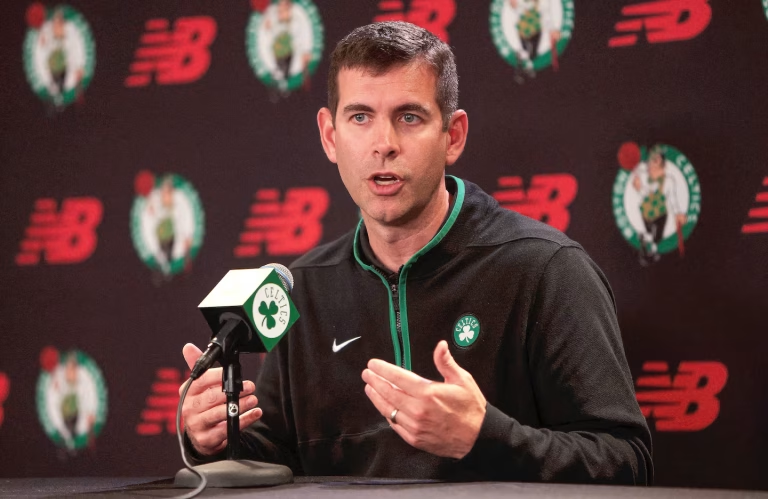
The league is always moving. Players ask out. Teams blow up rosters. In the NBA more than any other league, a star becomes available and suddenly all those futures become leverage for one major deal. If Brad Stevens is sitting in a war room with four or five first-rounders in hand when that call comes, he’s in a position to make a serious offer.
And maybe that’s the plan. Maybe this is all connected. Cut the salary, build the war chest, wait for the right moment and strike. Boston has done it before.
But here’s the honest part: picks are only worth what you do with them. The optimistic version is that Brad Stevens packages these picks for a legitimate superstar to pair alongside Jayson Tatum and the Celtics are legitimate contenders again for the next handful of years. The realistic version is that a couple of them get bundled together for a middling player, the window quietly closes, and we’re left wondering what could have been. We’ve seen both outcomes in this league. Plenty of times.
Jayson Tatum is still here. He’s still one of the best players in the world. The core isn’t broken.
The return is the problem. What Boston does with it is the only thing that matters now.
About The Author