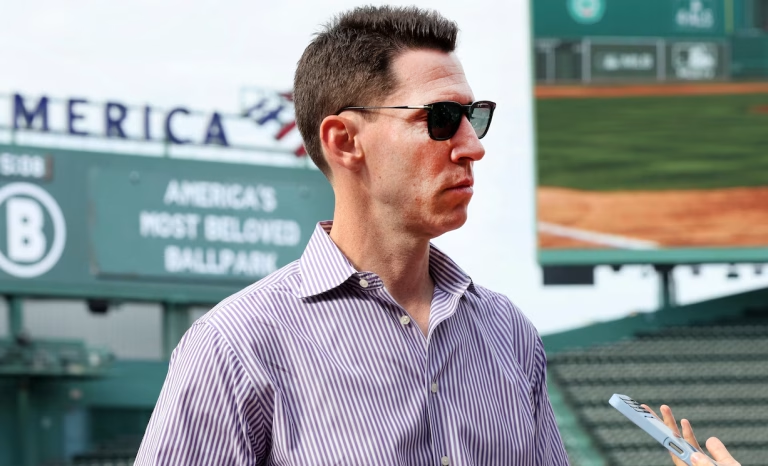
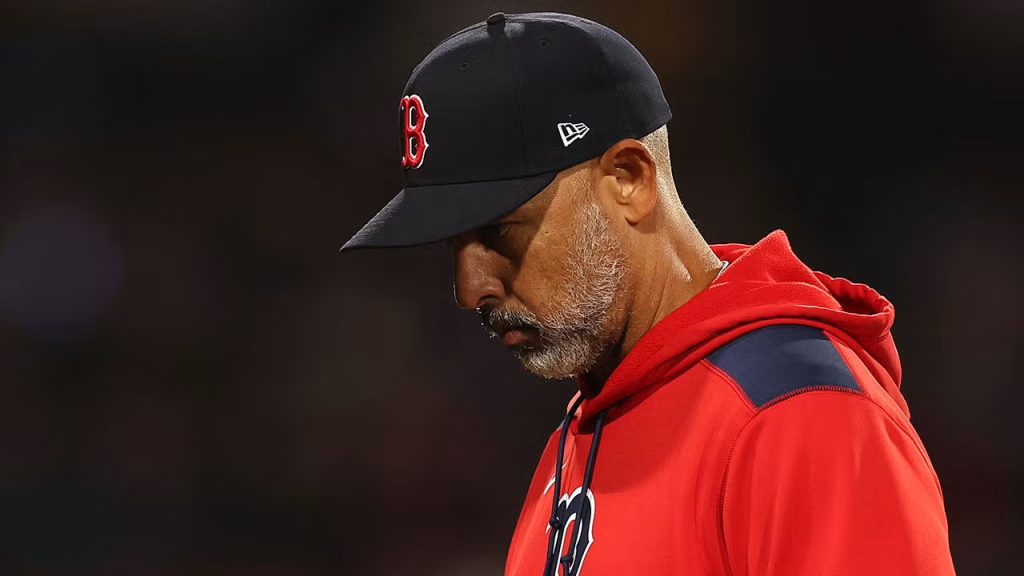


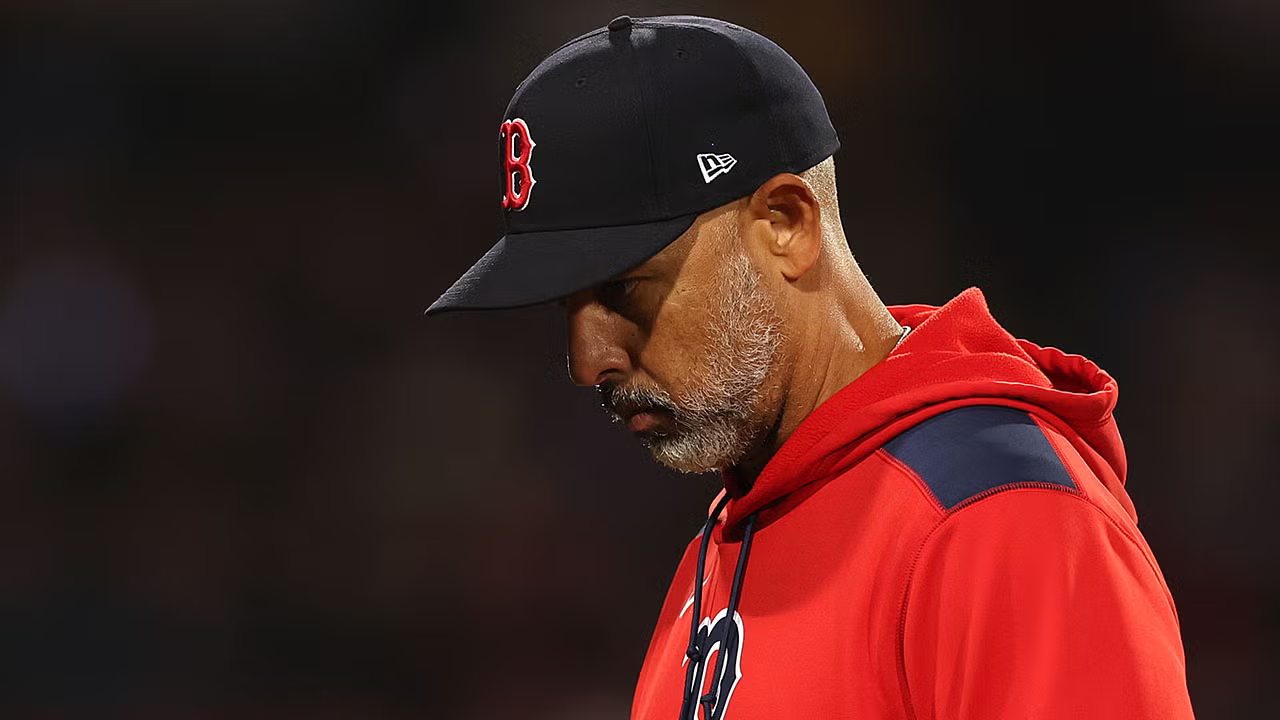
The Boston Red Sox have parted ways with manager Alex Cora and much of the coaching staff in a sweeping organizational shakeup. It’s a dramatic move, and a justified one. But the man who built this roster, Chief Baseball Officer Craig Breslow, remains.
A Run Prevention Philosophy That Couldn’t Prevent Runs
After losing Alex Bregman in free agency, the Red Sox explicitly constructed their roster around one idea: pitch well, play elite defense, limit damage. Reasonable on paper. A disaster in practice.
The rotation became a revolving door of injuries and inconsistency. The bullpen turned into a graveyard for late-inning leads. The defense, supposedly a pillar of the identity, couldn’t execute the fundamentals that actually keep runs off the board. Errors at key moments, outfield miscommunications, shoddy glovework up the middle — all of it undermined the philosophy before it ever had a chance.
And then there’s the offense. The part of the game Boston was supposed to be able to take for granted. They can’t. The Red Sox have been one of the most anemic lineups in the American League, struggling to generate consistent run support even when the pitching has given them a chance. Too many runners stranded, too many at-bats that go nowhere, too little production from the middle of the order. A team that preached run prevention as its identity still needed to score runs and this lineup has made that look far harder than it should be.
When your entire identity is built on stopping opponents from scoring and you can’t do that, and you can’t score either, a reckoning is inevitable.
Cora’s Exit and the Development Problem
Alex Cora leaves as one of the more complicated figures in recent franchise history. He’s a respected baseball mind, a World Series champion, and someone players have consistently spoken well of. But baseball is a results business, and when a team fails to execute its own identity, the manager becomes the most visible point of accountability.
Cora arrived in Boston in 2018 and immediately delivered the franchise a remarkable 108-win campaign capped by a World Series title. The Red Sox looked like a dynasty in the making, and Cora was widely credited as a tactical mastermind who got the most out of a deep, dangerous roster. That first year set the bar impossibly high, and almost everything that followed fell well short of it.
Strip away 2018 and the Astros sign-stealing suspension that wiped out 2020, and the overall record tells a different story. In six seasons managing the Red Sox, Cora posted a winning percentage below .500 in four of them. The team missed the playoffs entirely three times, finished last in the American League East twice, and never recaptured the offensive depth or roster cohesion that made 2018 look so easy. The 2021 ALCS run offered a brief flash of what the team could be, but even that ended in disappointment, and the years since have been a steady decline punctuated by slow starts, late collapses, and an inability to develop young talent into consistent contributors.
The losses were bad. The stagnation was worse.
A manager’s job isn’t just filling out a lineup card. It’s creating an environment where players improve and young talent takes the next step. That didn’t happen nearly enough.
Triston Casas was supposed to be a cornerstone: a patient, powerful middle-of-the-order bat for the next decade. The raw talent was always obvious. He’s had injuries, yes, but even when on the field the consistency never arrived. When a player with that ceiling plateaus, the question becomes unavoidable: who inside the building was helping him get better?
The same goes for Brayan Bello. The arm talent was undeniable. The upside was clear. Some people (definitely not me) were even calling him “Little Pedro.” But Bello has never made the leap from promising young starter to reliable frontline presence. Turning stuff into sustained production requires elite coaching and development structure. That seems to be missing.
Marcelo Mayer was the fourth overall pick in the 2021 draft. He was considered a generational talent and the kind of prospect franchises build around. The expectations were enormous, and rightfully so. But his path to the majors has been defined by inconsistency and stalled momentum. The tools are still there, but a top-four pick needs to be producing, not leaving questions about whether he can put it all together. When a franchise cornerstone isn’t developing at the pace his draft pedigree demands, that’s not just a prospect problem, it’s an organizational one.
On top of the individual players, the team as a whole continues to make the same mistakes over and over again. Plate discipline is horrible and their base-running has been the worst in the league for a few seasons now.
Cora’s exit wasn’t necessarily an indictment of his baseball intelligence. It was an acknowledgment that something inside the organization had stopped working and that the environment needed more than minor adjustments. It needed a reset.
Breslow: Flawed, But Not Done
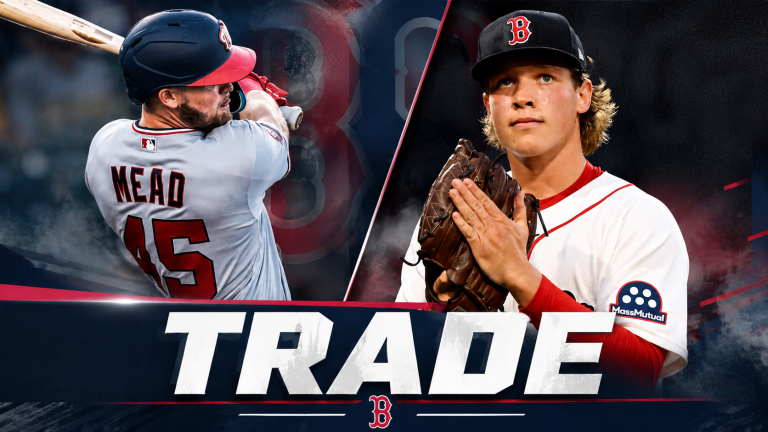
Breslow’s early tenure has not inspired confidence. His roster construction has been criticized. His trades have looked poor. His pitching acquisitions have largely disappointed. The criticism is fair.
But firing him now would be premature.
He inherited a difficult situation, operated under clear financial constraints set by ownership, and was never given the opportunity to hire his own manager. That last part matters more than people want to admit.
A front office builds the vision. The manager brings it to life. Asking Breslow to own the results without controlling the dugout or having the financial freedom to build his roster is like asking an architect to defend a building someone else designed on someone else’s budget.
Chad Tracy, up from the WooSox, takes over as interim. He knows this roster and this organization, and that familiarity may be exactly what the clubhouse needs right now.
The Hard Truth
Boston cannot afford another cosmetic fix. Another managerial hire misaligned with the front office. Another offseason of optimism that evaporates by June.
The run prevention philosophy wasn’t wrong. It was just never properly built. You can’t preach pitching and defense as your identity while your rotation crumbles and your infield boots routine grounders.
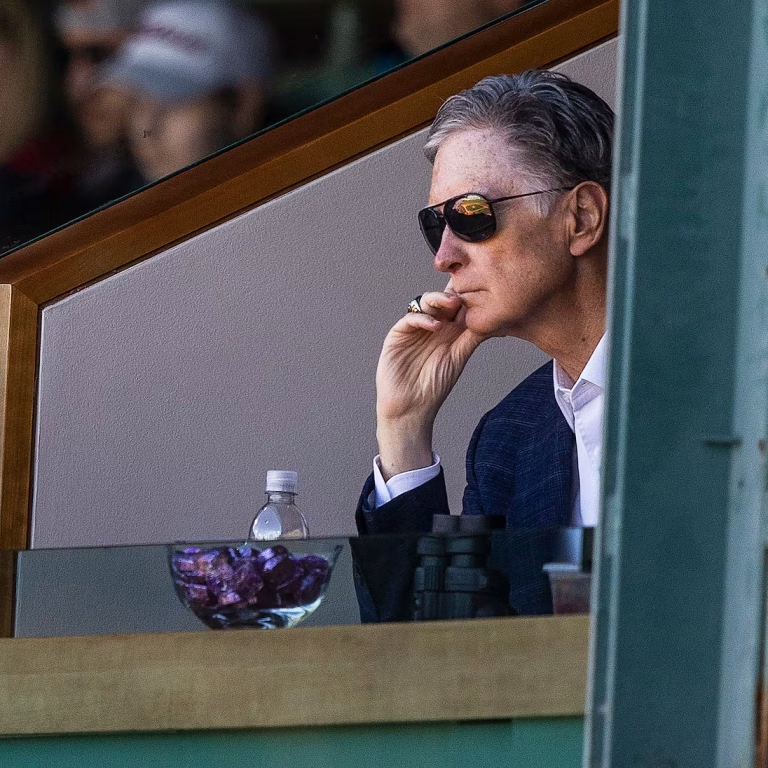
But here’s the uncomfortable truth no managerial hire can paper over: as long as John Henry owns this team, the ceiling is limited. The payroll constraints, the half-committed rebuild, the unwillingness to spend like a true large-market franchise, those decisions don’t originate in the front office. They originate at the top.
Managers get fired. GMs get replaced. The ownership culture that created this environment remains unchanged. Until that changes, Boston fans may find themselves having this exact same conversation for years to come.
About The Author