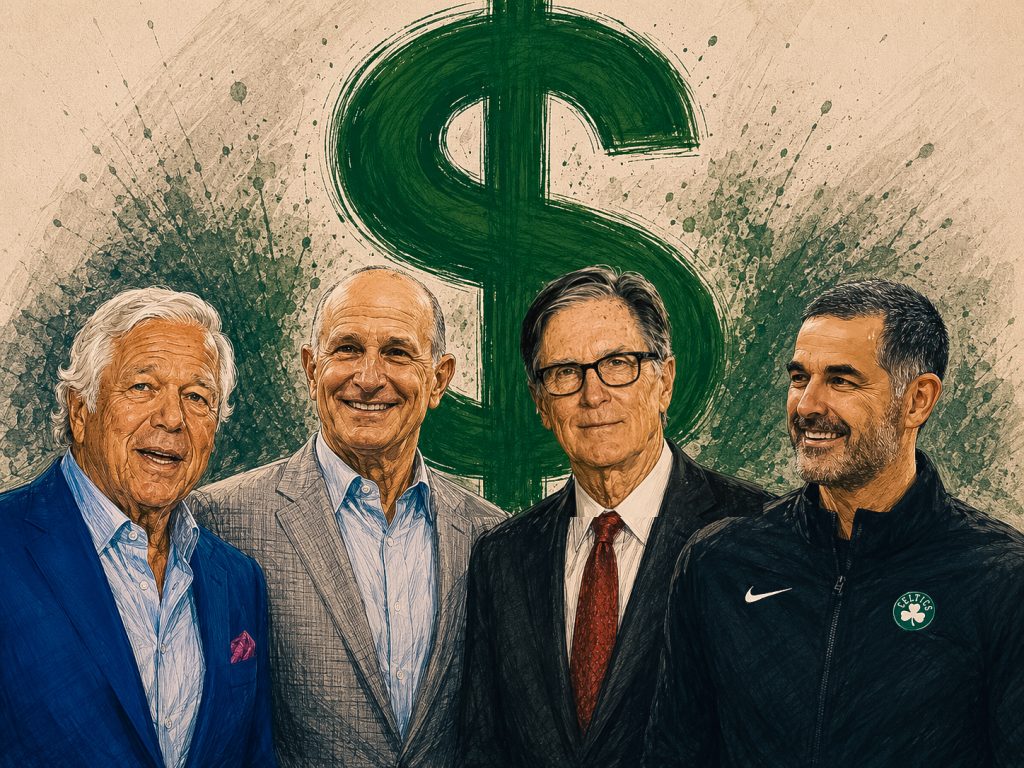


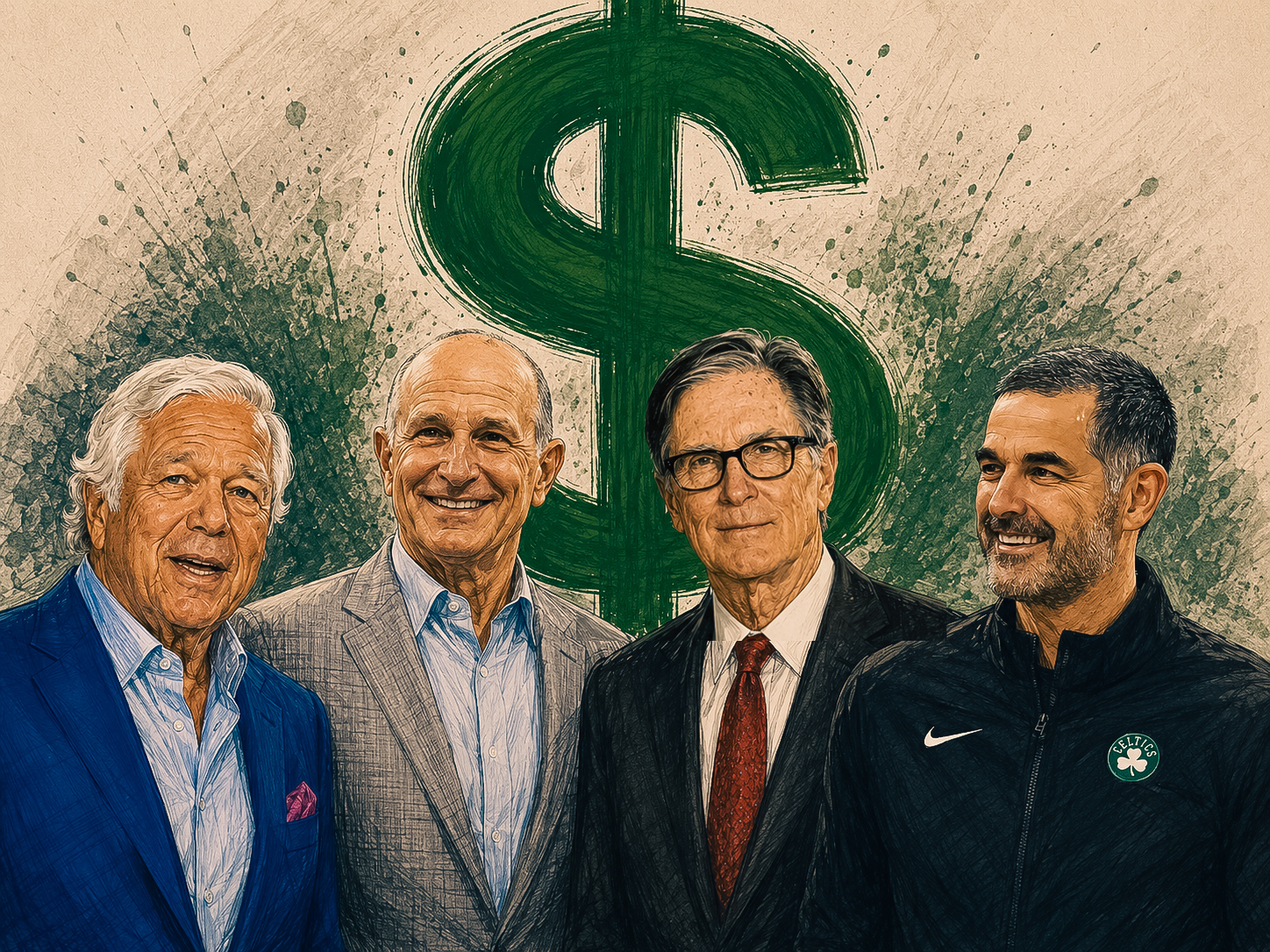
There was a stretch in Boston sports that doesn’t get talked about enough. Not just the winning, everybody remembers the winning. The part worth talking about is why it happened. The ownership. For about a decade starting in the early 2000s, Boston had the most committed, most aggressive, most championship-obsessed ownership groups in professional sports across every single one of its major franchises (okay, maybe not the Bruins). The city wasn’t just winning. It was being run like winning was the only option.
That’s not the case anymore. And the shift has been gradual enough that a lot of fans haven’t fully processed what’s actually changed. But it has changed. And it’s worth saying out loud.
What Boston Used to Look Like
Think about what was happening simultaneously in this city in the early-to-mid 2000s. The Patriots were building a dynasty under Belichick and Brady with an owner in Robert Kraft who gave those men everything they needed to win. The Red Sox finally broke the curse in 2004 under new ownership that came in and immediately spent to fix what had been broken for decades. The Celtics pulled off one of the most aggressive roster constructions in NBA history when Danny Ainge assembled the Big Three in 2007, and ownership backed every dollar of it. The Bruins were building a legitimate contender that would eventually win the Cup in 2011.
You could make a real argument that no city in American sports history had four franchises operating at that level of championship intent at the same time. It wasn’t luck. It was ownership culture. These were groups that wanted to win and were willing to prove it with their checkbooks and their decisions.
And there was something else happening that nobody really talked about at the time but feels obvious in hindsight. There was an unspoken rivalry between the ownership groups themselves. Not a hostile one. More like a quiet, competitive electricity. When the Patriots won, you got the sense the Red Sox ownership felt it. When Boston finally broke the curse in 2004, you got the sense the Celtics front office felt that too. Each championship raised the standard for everyone else operating in the same city. It was almost like none of them wanted to be the owner of the one Boston team that wasn’t winning. That kind of pressure from within, ownership groups pushing each other without ever saying a word publicly, is incredibly rare. And it produced something equally rare: an entire city operating in championship mode simultaneously.
Twenty years later, that culture is eroding in three of the four buildings.
John Henry and the FSG Pivot
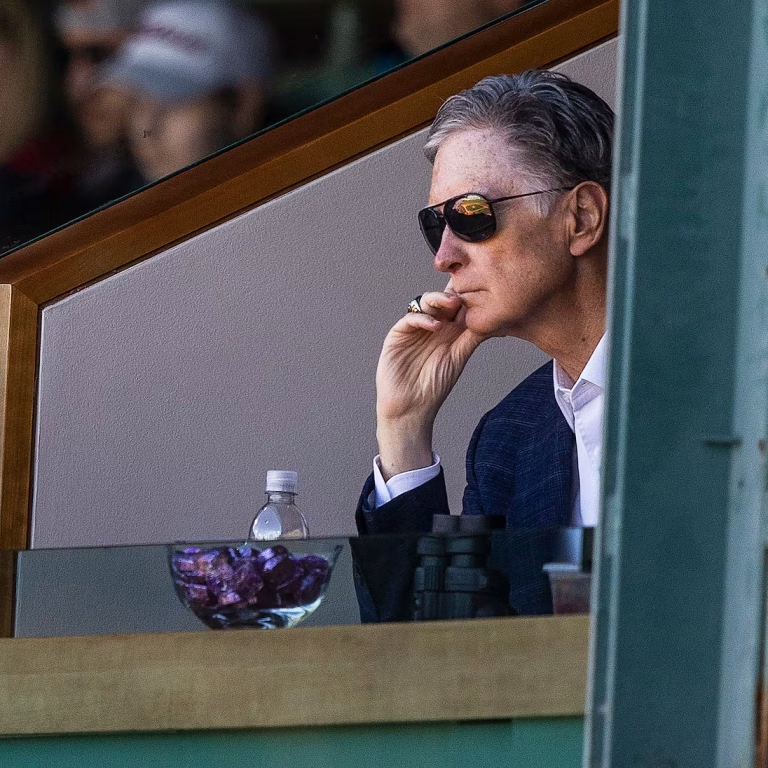
When John Henry and Fenway Sports Group bought the Red Sox in 2002, they were exactly what Boston needed. They came in, renovated Fenway Park instead of abandoning it, built out the infrastructure, and most importantly, they spent. The 2004 World Series championship didn’t happen by accident. It happened because ownership was willing to do whatever it took. They brought in the right people, paid the right players, and treated the franchise like the crown jewel it was.
For a while, that continued. The 2007 and 2013 championships weren’t flukes either. Henry and FSG were still operating like a group that measured success in rings.
Fast forward to now. When is the last time the Red Sox made a move that felt like a team swinging to win? The current approach is financial discipline. Avoiding long-term free agent commitments. Letting stars walk rather than extending them. Developing from within. All of which are defensible strategies in isolation, but when it becomes the permanent operating model rather than a bridge between competitive windows, it stops being strategy and starts being cost management dressed up as philosophy.
FSG now owns Liverpool FC, Boston Common Golf in the TGL, has made a significant investment in the PGA Tour, and is reportedly in the mix for a Las Vegas NBA expansion franchise. The Red Sox are one line item in a much larger and growing sports empire. That’s not inherently a bad thing, but Boston fans are feeling what happens when a local franchise stops being the priority and starts being the portfolio. The urgency is gone. The spending is gone. The sense that Henry would do whatever it took to put a championship team on the field has quietly been replaced by an ownership group that seems perfectly comfortable with where the balance sheet sits.
The Jacobs Family and the Bruins Invisibility Act
At least with FSG you know what you’re getting. The business decisions speak for themselves, even if ownership rarely does. With the Jacobs family, you don’t even get that much.
The Jacobs family owns the Boston Bruins. When is the last time you actually heard from them? When is the last time Jeremy Jacobs or anyone from that ownership group made a public-facing statement that felt like genuine engagement with the fanbase? Bruins fans have been supporting one of the most consistently competitive teams in the NHL for years and the ownership group behind it is essentially a ghost. They run the organization quietly, they’ve kept a solid front office in place, and to their credit the team has remained relevant. But there’s never been a sense that Jacobs ownership has the same burning desire to win that the fan base carries into every playoff run.
The 2011 Stanley Cup happened. That was real. But it was also a long time ago. Since then, the Bruins have had competitive rosters and early exits, and the ownership response has been mostly silence. No urgency from the top. No aggressive moves that signal a championship-or-bust mentality. Just a well-run, profitable hockey franchise coasting on one of the most loyal fanbases in the sport.
Boston Bruins fans deserve to actually see their owners once in a while. They deserve an ownership group that communicates like it cares as much as they do.
The Celtics and the Private Equity Problem
The Celtics sale from the Grousbeck family to a group led by Bill Chisholm was framed as a transition of stewardship. The Grousbecks oversaw a championship. Wyc Grousbeck was in front of the media talking to fans ALL the time. The team was in good hands, and handing it off to serious business people seemed fine on paper.
What we don’t know yet is whether Chisholm’s background in private equity shapes how he runs the franchise. Nobody’s saying he doesn’t want to win. But there’s a real difference between an owner who measures success in championships and one who is primarily wired to think about returns. Those goals can coexist, but when they pull in different directions, the financial instinct tends to win. Early returns suggest that may already be happening.
We’ve already seen it play out. Kristaps Porzingis, moved. Jrue Holiday, a championship contributor, gone. And now Jaylen Brown, traded for a package of future draft picks before he could cash in on his extension. Every move has a clean financial logic to it. None of them feel like the moves of an ownership group that woke up this morning thinking about how to win a championship.
Chisholm is following the same path Henry walked at Fenway. Smart guy, good businessman, completely capable of running a profitable and respectable franchise. But Boston fans aren’t paying for respectable. They’re paying for a team that’s trying to win it all every single year. That expectation used to be shared by ownership. Right now, with the Celtics, it isn’t clear that it still is.
The One Owner Who Still Gets It
For the majority of the Belichick-Brady era, Robert Kraft was about as close to a perfect owner as professional sports has seen. He was visible. He was present. He engaged with the fanbase without making himself the story. And most importantly, he let the football people make the football decisions. He trusted Belichick completely, spent when spending was needed, and built an environment where winning wasn’t just the expectation, it was the only acceptable outcome. Six Super Bowl championships later, it’s hard to argue with the results.
The final years of the Belichick run were a little different. Things tightened up. Decisions felt more conservative. The aggression that defined the dynasty’s peak had faded a bit, and you could feel it in the roster construction. Whether that was Kraft, Belichick, or just the inevitable entropy of a long run at the top is hard to say. But something had shifted.
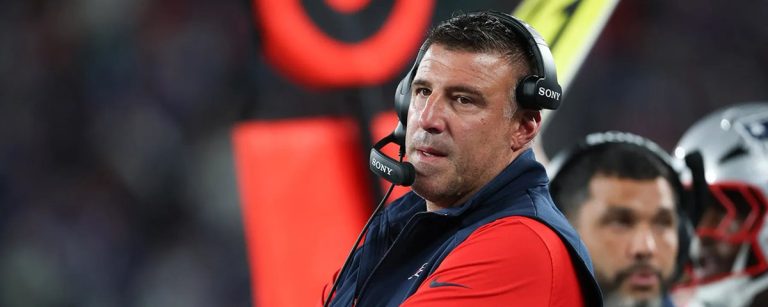
What happened next is what separates Kraft from the other ownership groups in this conversation. When it was time to move on from Belichick, he made the call. He hired Jerod Mayo, a former Patriots player that HE identified as Belichick’s successor years prior, someone who made sense on paper as the bridge to the next era. It didn’t work. One season was enough to make that clear. And rather than let it linger, Kraft did something a lot of owners don’t have the stomach for. He recognized the mistake, moved on from Mayo after just one year, and ate every dollar of that cost without making excuses. That’s not easy. Most owners let bad hires drag on too long because of the money or the optics. Kraft didn’t blink.
What Boston Fans Are Left With
The city of Boston still has four major sports franchises. Three of them are run by ownership groups that are, in varying degrees, more focused on the business than the trophy. One of them is run by a man who seems to still believe the whole point is to win.
That’s a long way from where this city was twenty years ago. And the fans who lived through that era know it. They remember what it felt like when ownership and fanbase were pulling in the same direction. When a big free agent signing didn’t feel like a surprise. When championship windows weren’t something that got quietly closed to protect the balance sheet.
Boston still has the fans. It still has the history. It still has the infrastructure. What it’s slowly losing is the ownership culture that made all of those things matter.
And until that changes, the banners in three of those four buildings are going to keep collecting dust.
About The Author