

Twelve games under .500. Last in the American League East. A roster that has been treading water for the better part of three years while the rest of the division has either rebuilt or reloaded around them.
The Red Sox are not a team that got unlucky. They are a team without a real identity, without a real direction, and most critically, without the right leadership in place to change either of those things.
So where do they go from here?
Let’s stop dancing around it.
The Problem Isn’t the Manager. It’s the People Above Him.
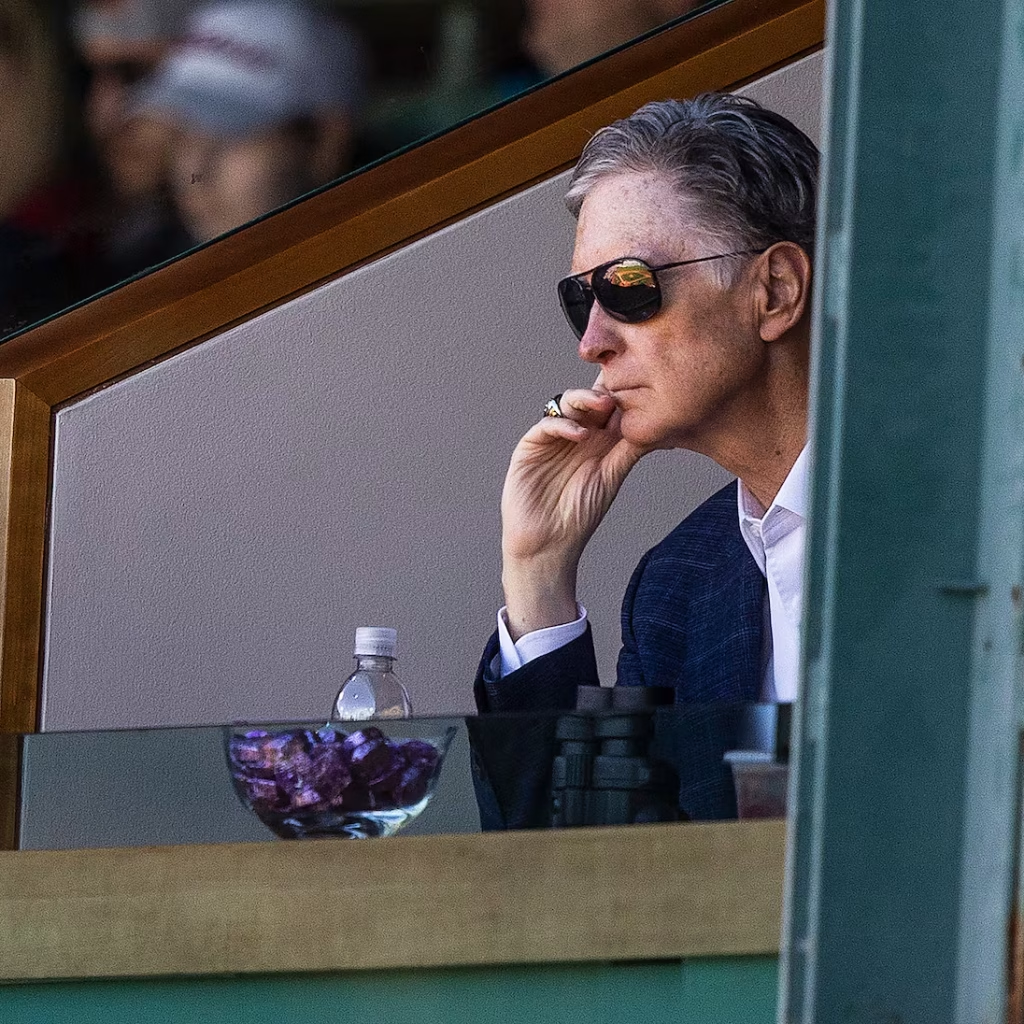
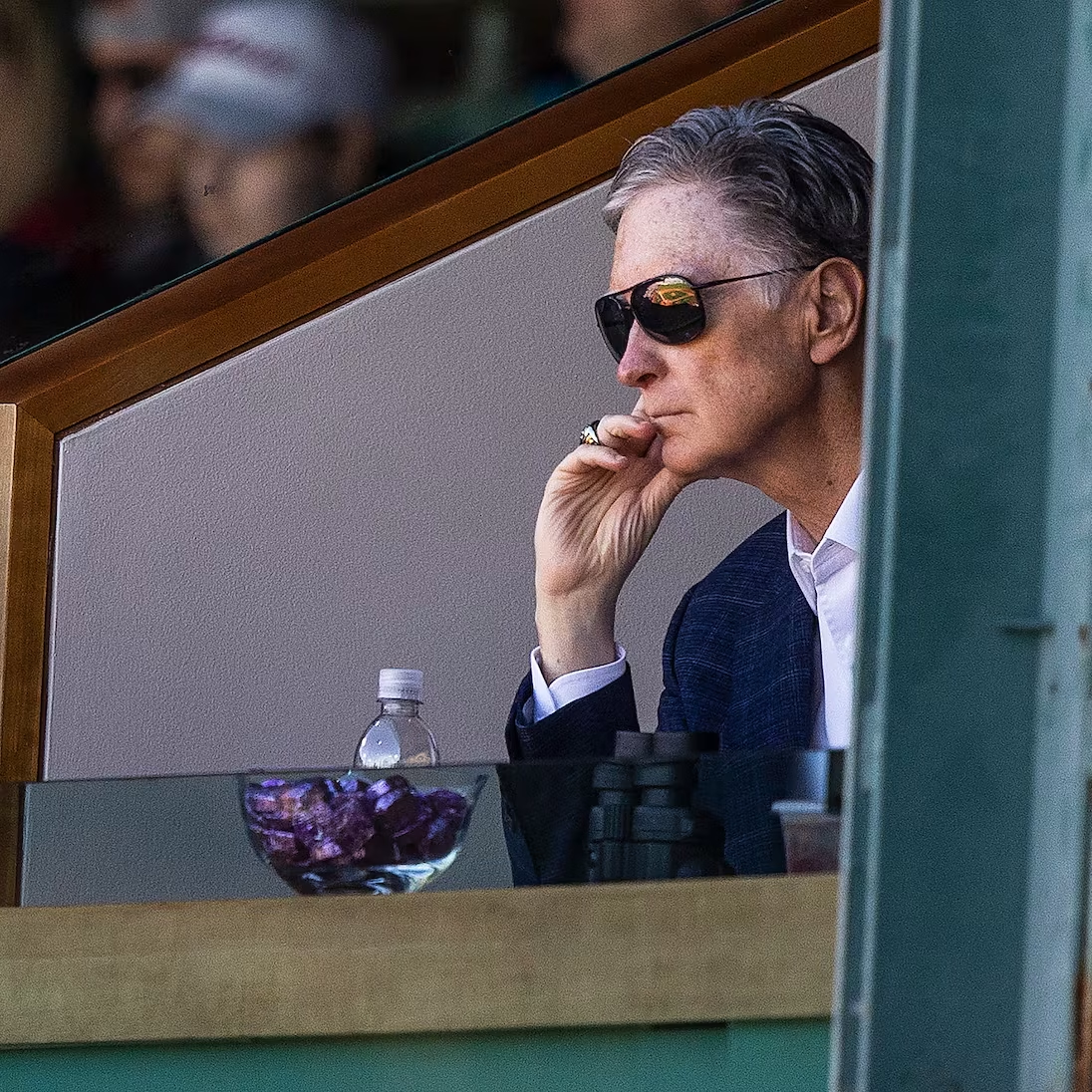
Unfortunately, John Henry isn’t selling team. So ownership changes are a non-starter, but going down to the next level Craig Breslow is not the answer.
That is not a particularly controversial take at this point, but it still needs to be said plainly, because this organization has a history of making cosmetic fixes when what is actually needed is something far more substantial. Firing a manager, shaking up a coaching staff, acquiring a couple of veteran arms. None of that matters if the person sitting in the Chief Baseball Officer chair isn’t the right person for the job.
Breslow came in with an interesting profile. A former player, an Ivy League education, a reputation as an analytical thinker. On paper, there was a version of that hire that made sense. In practice, the roster he has constructed has been one of the worst in the American League. His trades have been underwhelming. His pitching acquisitions have largely disappointed. And his inability to communicate a coherent vision to the media, or to his own fanbase, has made a difficult situation feel even more rudderless than it actually is.
Running a major league baseball franchise in Boston is not a quiet, behind-the-scenes operation. This is one of the most scrutinized sports markets in America. The CBO is not just a front office architect. He is also a face of the organization, a communicator, someone who needs to walk into a press conference after a difficult loss in July and make fans believe that the people running this thing actually know what they are doing.
Breslow has never been able to do that. The fit has never been right.
It is time for ownership to acknowledge it and make a change at the top.
What the Right Leader Actually Looks Like
The next Chief Baseball Officer of the Boston Red Sox needs to be two things simultaneously, and finding someone who is both is harder than it sounds.
He needs to know baseball. Not in a theoretical, spreadsheet-driven way, but in the way that commands respect inside a clubhouse and earns trust from the people he is asking to execute his vision. He needs to be able to sit across from a veteran player, a young prospect, or a frustrated ace and speak their language. The Red Sox cannot afford to hire another front office executive who has never bled on a baseball field and expects a locker room to fall in line because of his title.
But he also needs to be able to talk. Really talk. This city devours its sports franchises on a daily basis and the media cycle never stops. The right person for this job needs to be someone who actually enjoys stepping in front of a microphone, who can deliver a clear message under pressure, and who understands that transparency and confidence are not weaknesses in this market. They are requirements.
The best front offices in baseball right now are run by people who are both sharp and charismatic. Who can sell the vision internally and externally at the same time. Boston needs that person. Badly.
Let Him Hire His Own Manager
Here is the part that does not get discussed enough.
When Craig Breslow walked into his job as CBO, Alex Cora was already managing this team. Breslow inherited him. That is a quiet dysfunction that never gets full credit for how much it poisoned the well from the very beginning.
A front office is supposed to build a vision. The manager is supposed to bring it to life. When the manager predates the front office architect, the vision and the execution are never truly aligned. The message in the dugout and the message in the front office pull in slightly different directions, and while it might not be obvious on the surface, it shows up in the results.
The next CBO needs to walk through that door with a clean slate, a clear philosophy, and the authority to hire his own manager. Someone he trusts. Someone who fits the culture he is building. Someone who will hold young players accountable, develop talent the right way, and command a clubhouse that has too often looked like it was running on autopilot.
That is not a small thing. That is the foundation. You cannot build a real organization on top of a management structure that was never designed to work together.
This Trade Deadline (and Off-Season) Is the Most Important in Years
Let’s be direct: this season is over.
The Red Sox are not making the playoffs. They are not sneaking into the Wild Card on a hot August. The math is bad, the roster is bad, and pretending otherwise is the kind of thinking that has kept this franchise stuck in no-man’s land for the better part of a decade.
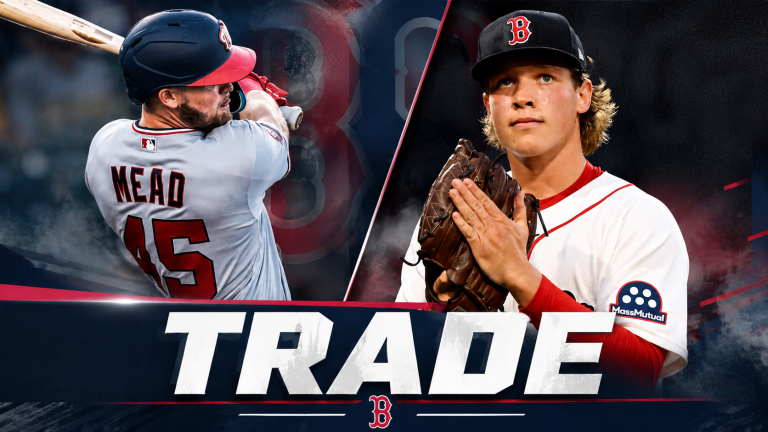
That means the trade deadline is not a distraction. It is the most important thing this organization will do in 2026. And whoever is running this front office, whether it is Breslow in a lame-duck stretch or a new CBO who comes in before July 31, needs to use it accordingly.
The goal is simple: maximize the future. Strip this roster of every moveable veteran asset that is not part of the 2028 contention window and bring back the young, controllable talent that makes that window longer and more dangerous.
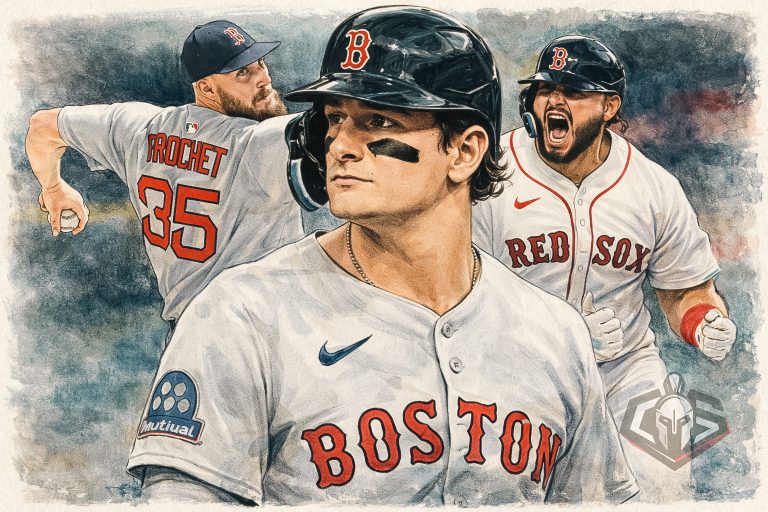
For me, three names are off the table. Roman Anthony, Garrett Crochet and Payton Tolle.
There are others like Connelly Early and Marcelo Mayer that I’d rather hold on to, but that group is not untouchable for me. Everyone else is available. And when the word “available” comes out of a front office, it needs to mean something. It cannot be a negotiating posture. It cannot be a bluff. This organization needs to actually move people.
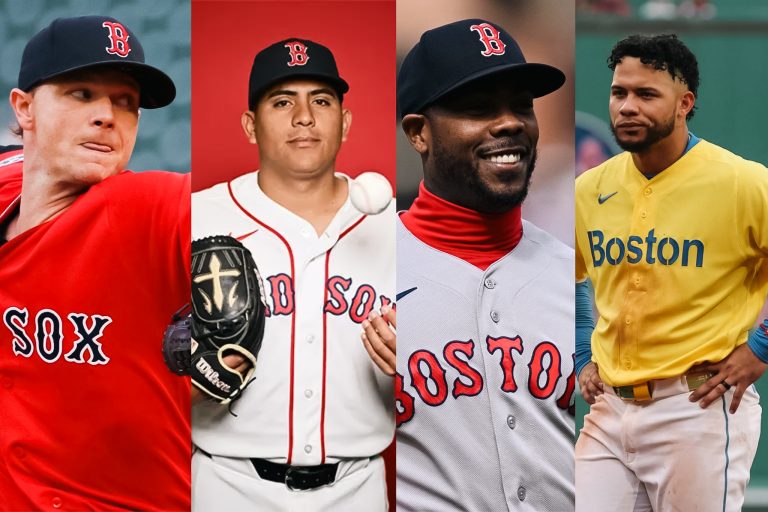
Move the veterans. There is no reason to hold onto Aroldis Chapman or Sonny Gray at this point. Move the surplus arms. Move anyone that a contending team will overpay for in July. Bank the prospects, bank the controllable talent, bank whatever capital can be extracted from teams who are desperate enough to pay a premium for a two-month rental.
This deadline is not about clearing payroll for its own sake. It is about converting a lost 2026 season into assets that accelerate the timeline to a real, sustained contention window. Those are two very different things, and the difference matters.
The Red Sox have been close to doing this right for a few years now. They have the young core. They have the pitching. They have some exciting players in their farm system. They have the pieces to build something real. What they have consistently lacked is the right leadership structure. A front office that can build a coherent vision and execute it without dysfunction baked in from day one.
This off-season the Red Sox NEED to fix the leadership at the top. Move on from Breslow. Let that new CBO hire his own manager and run ALL things Red Sox baseball. Have Sam Kennedy either take a backseat (not in front of the media) or re-assign him within Fenway Sports Group. The fans hate him and he does more damage than good every time he opens his mouth. The next Red Sox Chief Baseball Officer hire is incredibly important and he needs to run the entire show.
The window is not as far away as it feels. But it only opens if the people running this organization stop finding creative ways to waste what they already have.
About The Author