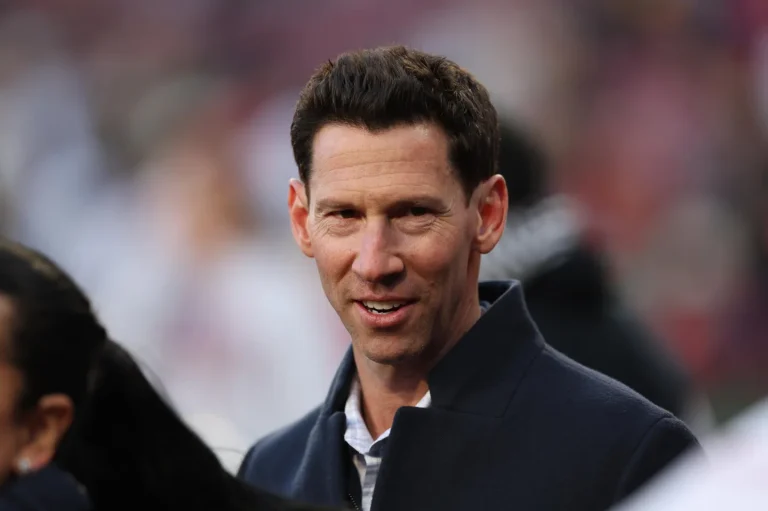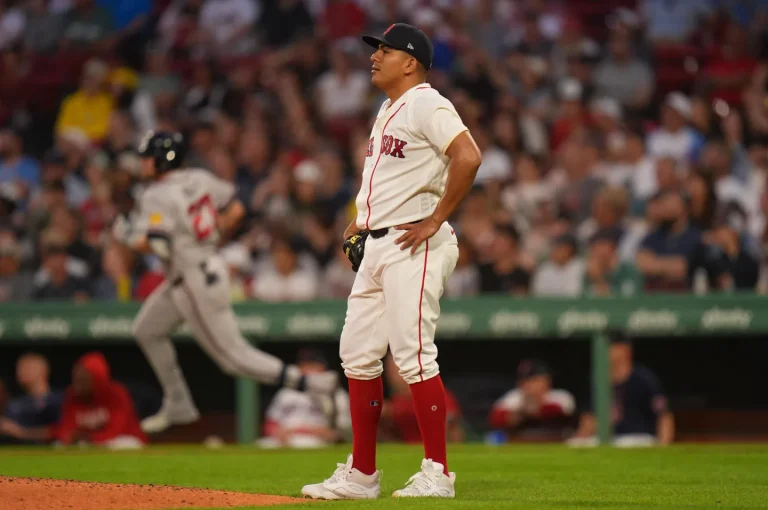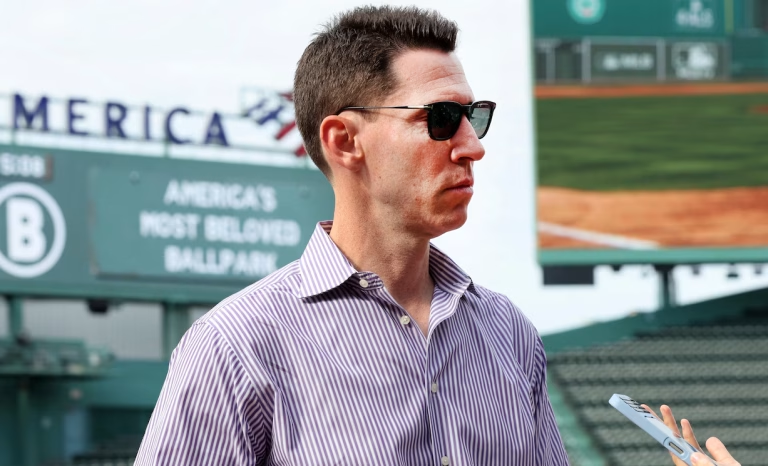


The Boston Red Sox have made a habit under chief baseball officer Craig Breslow of extending young players before they become expensive — and before anyone else can get their hands on them. Roman Anthony, Kristian Campbell, Ceddanne Rafaela, Garrett Crochet, Brayan Bello, and Garrett Whitlock have all signed long-term deals under this philosophy. The message from the front office has been clear: identify the talent early, lock it in cheap, build the window.
But as the 2026 season gets underway, three notable members of Boston’s young core remain unsigned to extensions: infielder Marcelo Mayer, left-handed starter Connelly Early, and right fielder Wilyer Abreu. Each situation is genuinely distinct — different leverage, different timelines, different complications. Here’s where things stand and what the odds look like for each.
Marcelo Mayer: The Talent Is Undeniable, the Clock Is Patient
Why an Extension Makes Sense
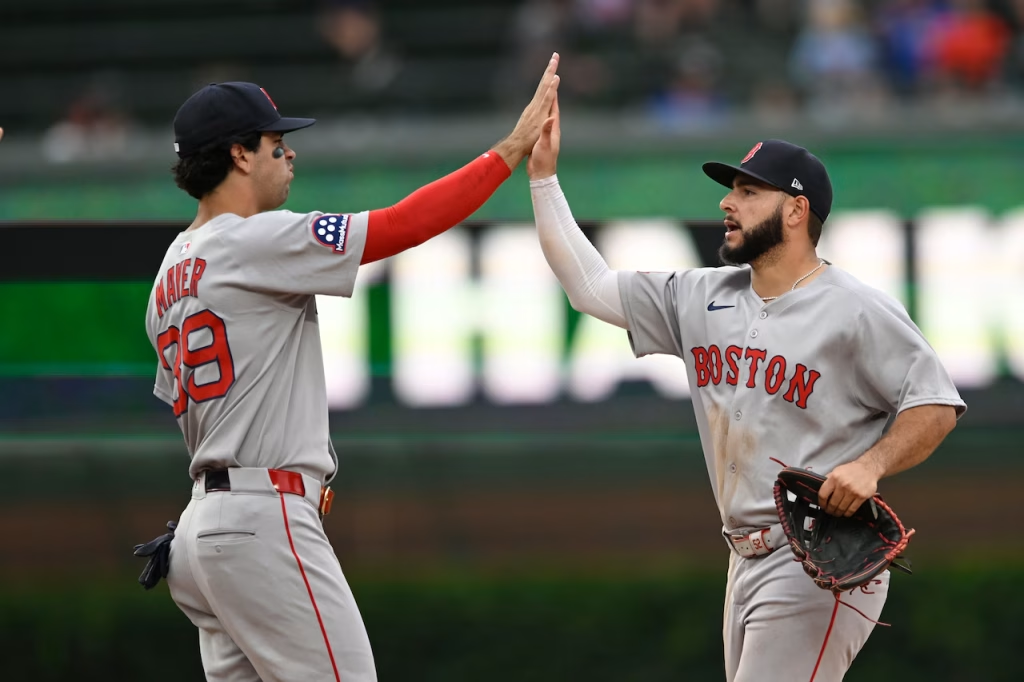
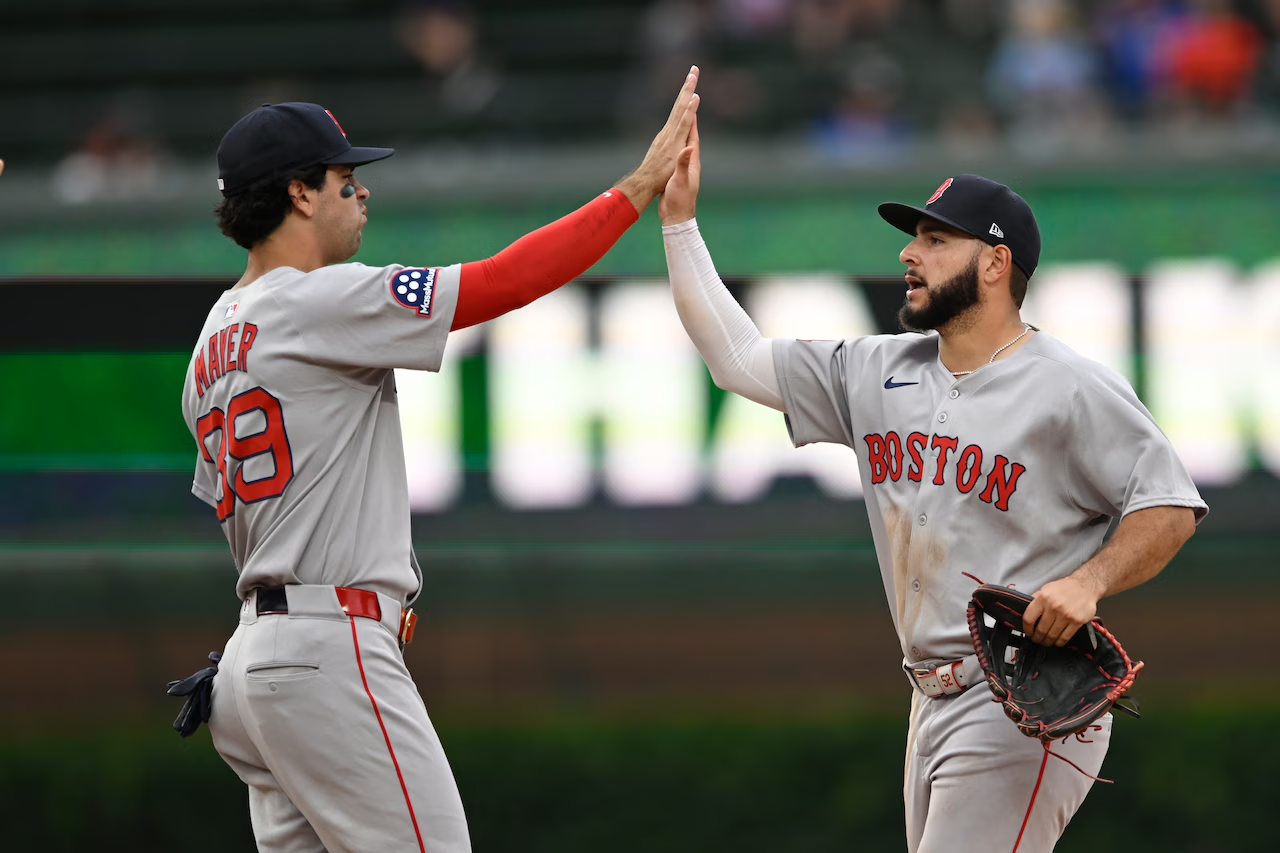
Mayer is 23 years old and won’t turn 24 until December, and he enters 2026 as Boston’s starting second baseman — a position that has been a revolving door since Dustin Pedroia’s era ended. The 2026 season will be the eighth straight year the Red Sox have had a different person starting the season at second base, a staggering statistic that only underscores how much Boston needs Mayer to be the answer.
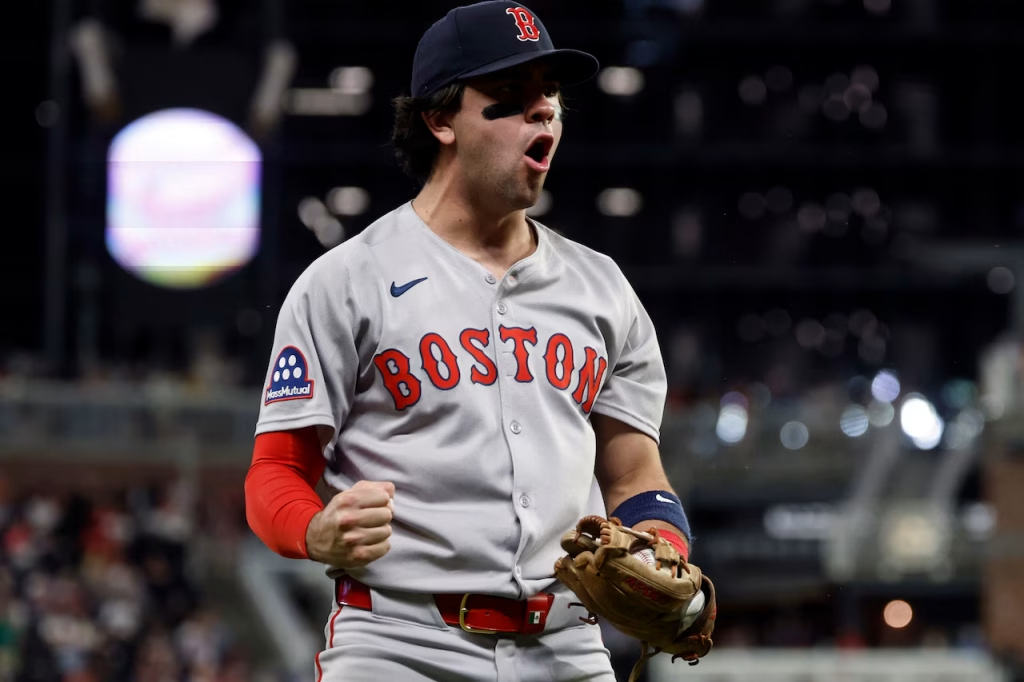
His minor league track record was exceptional. In 315 games in the minors, he slashed .273/.360/.466 with 46 homers, 205 RBIs, 48 stolen bases and 86 doubles. He was the classic five-tool prospect — hit-for-average, hit-for-power, speed, arm, glove — and he was selected fourth overall in the 2021 MLB Draft, the Red Sox’s highest pick in over 50 years. That pedigree matters. Prospects like that don’t come around often.
Critically, Boston has already demonstrated it’s willing to extend elite prospects before they’ve logged a full MLB season. Roman Anthony’s extension — signed during the 2025 season when he had a similarly thin big league résumé — is the clearest precedent. The Red Sox have gotten significantly better at handing out long-term extensions early, with Roman Anthony and Kristian Campbell both getting extensions during the 2025 season. If the organization was willing to commit to Anthony at that stage, a healthy, productive Mayer puts himself squarely in that same conversation. The Anthony deal isn’t just a data point — it’s a template.
What’s Holding it Back
The problem is that Mayer’s MLB résumé is extremely thin. He has just 44 games of big league experience under his belt and has had injury issues throughout his professional career. Specifically, his 2025 season was cut short due to a wrist injury. Anthony, for all the parallels, never had the same pattern of injury interruptions that have followed Mayer through every level of the minor leagues.
As of mid-March, the Red Sox haven’t even opened the door on talks. Mayer has 128 days of service time and would be at 1.128 if he earns a full service year in 2026 — still five years from the open market and at least one year from arbitration. That means Boston holds significant leverage and faces no urgency to act immediately.
There’s also the ghost of Kristian Campbell’s extension hanging over these discussions. Campbell signed an extension after just a handful of MLB appearances and is now viewed by some as a cautionary tale — a reminder that extending players before they’ve proven themselves at the big league level carries real risk. Multiple observers have noted the Campbell situation may give the Red Sox reason to pause before extending Mayer.
Verdict
The Roman Anthony comp actually makes the case for a Mayer extension more credible than it would otherwise be. Boston has shown it will commit to homegrown infield talent early when the talent justifies it. The question isn’t whether the Red Sox want to extend Mayer — it’s whether he gives them enough of a sample in 2026 to feel confident pulling the trigger.
The ideal scenario for the Red Sox is to watch Mayer stay healthy and produce in 2026, then begin extension conversations at some point during the season. Given that no approach has been made as of Opening Day, a deal seems unlikely to materialize in the first half of the year. The more realistic outcome is that if Mayer looks like a bona fide MLB regular through the summer, talks could begin in August or September, with an extension more likely formalized in the offseason.
Likelihood of extension in 2026: 40–45%. The Anthony precedent lifts these odds meaningfully. The health history keeps them from going higher.
Connelly Early: Electric Talent, Bad Timing
Why It’s Tempting
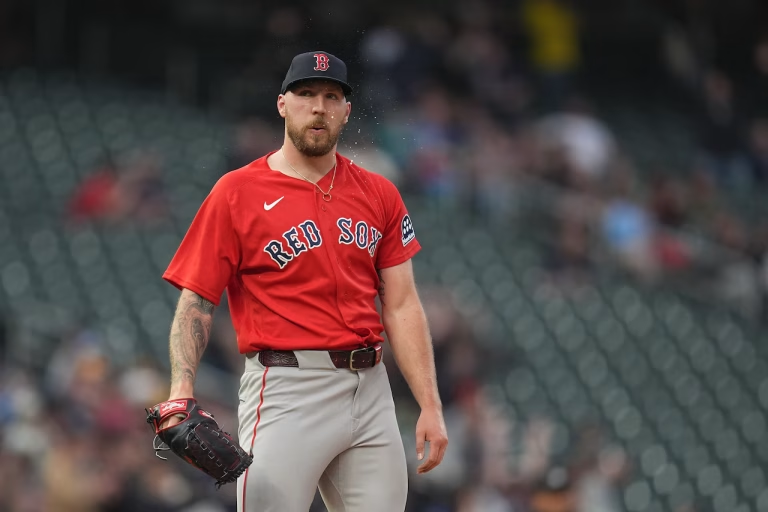
Early’s rise has been one of the more captivating stories in the Red Sox organization. Drafted in the fifth round with the 151st overall selection in the 2023 draft, Early attended both the United States Military Academy and the University of Virginia before joining Boston’s system. He’s not the blue-chip prospect type by background — but he’s pitching like one.
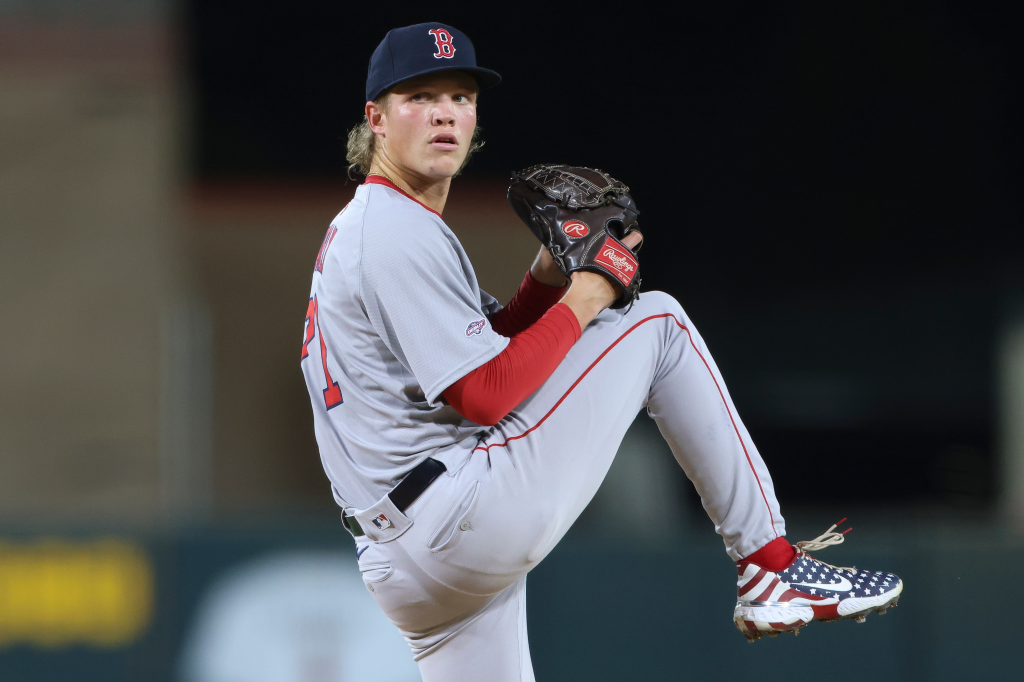
He posted a 2.60 ERA, 31.9% strikeout rate, and 9.7% walk rate across 100⅓ minor league innings in 2025, split between Double-A and Triple-A. That led to a late-season MLB call-up, and he dominated in his first four starts, allowing just six runs over 19.1 innings while striking out 29. He also pitched in the Wild Card round against the Yankees, handling pressure at one of the highest stages.
Thus far he has carried that momentum into 2026. Early was stellar in Grapefruit League play, posting a 1.59 ERA and 16:5 K:BB ratio over 17 innings — elite numbers for any pitcher, let alone one competing for a rotation spot. He earned his place in the Opening Day rotation and made his first 2026 start yesterday against the Reds, pitching into the sixth inning and allowing only one run.
Why It’s Unlikely
Several structural obstacles make an Early extension unlikely in the near term. The biggest one is his representation. Early is represented by Excel Sports Management, and Excel clients don’t typically pursue long-term extensions in general — and never so early in their big league careers. Most of Excel’s extensions over the last two decades have been shorter-term deals covering arbitration years, without extending team control.
Then there’s the service time component. Early has only 20 official days on his service clock, and the Red Sox can still gain an extra year of team control if they keep him in the minors for 35 additional days in 2026. The fact that they chose to carry him on the Opening Day roster rather than exploit that window is a show of good faith — but also removes the team’s leverage on that front. Still, with so little service time accrued, Early is years away from free agency, which lessens urgency on the Red Sox’s end.
There’s also the basic reality that pitchers are difficult to project. Early’s arsenal is electric, but a sample of four MLB starts (however impressive) is not a résumé to build a $50+ million deal around.
Verdict
The Red Sox haven’t yet engaged with Early’s representatives about a long-term deal, and the organizational philosophy around pitching extensions tends to be more conservative given the injury risk inherent to the position. Excel’s extension patterns make it even harder to envision. A deal is far more likely to come after Early has put together one or two full MLB seasons, when both sides have more data and Early has more leverage.
Likelihood of extension in 2026: 10-15%. The stuff is there. The organizational will may be there. The timing and the agent almost certainly are not.
Wilyer Abreu: The Best Candidate…With Complications
Why It Makes Sense
Of the three players in this piece, Abreu is comfortably the most established MLB performer. He has won a Gold Glove Award in each of his first two full seasons (2024 and 2025), establishing himself as one of the premier right fielders in the American League. His offensive production has grown meaningfully year over year: he jumped from 15 home runs in 132 games in 2024 to 22 home runs in just 115 games in 2025.
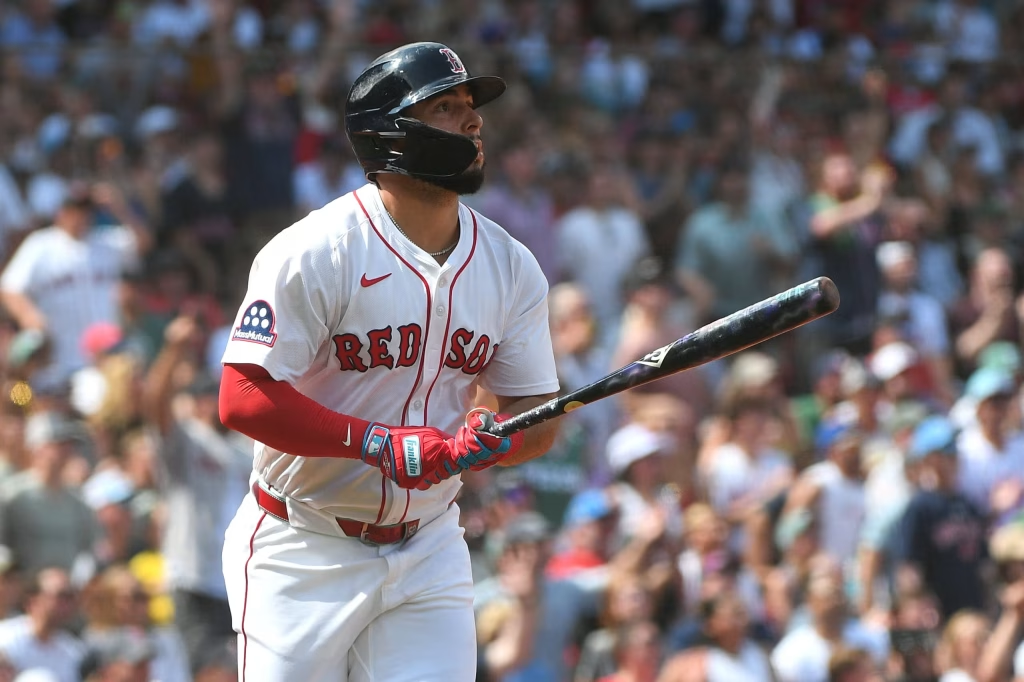
The Red Sox clearly believe in his ceiling. Manager Alex Cora has already stated he expects Abreu to hit around 25 to 30 home runs in 2026, and the organization is planning to give him more consistent playing time, including regular at-bats against left-handers he hasn’t faced as often in previous seasons.
The Complicated History
What makes the Abreu situation uniquely interesting is that the Red Sox already tried — and failed — to sign him to an extension. Two years ago, during the spring training prior to Abreu’s rookie season, the Red Sox approached him about a lengthy commitment and financial guarantee. He listened but ultimately declined. The sides were simply operating at different price points, and no deal was reached.
Abreu’s reasoning was straightforward, and in hindsight, financially savvy. “It wasn’t the right moment to do it,” Abreu said. “So I just wanted to play and see what happened in the future.” Since that conversation, he’s won two Gold Gloves and hit 37 combined home runs, dramatically increasing his market value. As of late March 2026, Abreu confirmed no new talks have taken place. When asked if the Red Sox come calling again, he said simply: “I can listen, but I haven’t talked to them.”
Why Age and Contract Control Cut Against a Deal
Here’s the part of the Abreu extension conversation that doesn’t get enough attention: Boston may not actually need to extend him, and his age makes the math less attractive than it appears on the surface.
Abreu turns 27 in June. He is not a 21-year-old like Roman Anthony, where an extension buys out prime years at a steep discount. He is not scheduled to hit free agency until after the 2029 season, meaning the Red Sox already control him through his age-30 year at relatively affordable pre-free-agency rates. Any extension Boston offers now would essentially be buying out his age-31, 32, and 33 seasons — exactly the years when outfielders tend to decline, accumulate soft tissue injuries, or become expensive contracts teams regret.
The structural appeal of Boston’s early extension philosophy is that it suppresses cost during a player’s peak years. With Abreu, the Red Sox already have those peak years under control. Extension dollars would flow into the back end of his career, which is the highest-risk territory for any outfielder — particularly one who has already dealt with an oblique strain and a calf strain in back-to-back seasons. Abreu went on the injured list three times across 2024 and 2025, and his stated primary goal entering 2026 is simply to stay healthy. That’s not a ringing endorsement for committing nine figures to his age-30-plus years.
Paradoxically, the existing contract control Boston holds actually reduces their urgency to act. They can let 2026 and 2027 and 2028 play out at below-market rates, reassess his health and production at 29 or 30, and either re-sign him as a free agent if he’s still producing at a high level or redirect those dollars elsewhere. That is a very different calculation than the one they faced with Anthony, Campbell, or Rafaela.
Verdict
The mutual interest is real — Breslow has mentioned his hope to get more of the Sox’s young players under contract long-term, and Abreu would be a natural candidate. But “natural candidate” and “good business decision” aren’t always the same thing. The price gap that derailed talks two years ago is now wider, the years Boston would be buying are riskier, and the team already controls him through his age-30 season without doing anything at all.
If Abreu has a monster 2026 —30+ home runs, stays healthy all year, continues his Gold Glove defense — the pressure to act before he prices himself completely out of reach will intensify. But even then, the Red Sox may look at what an extension would cost versus what they already have locked in and decide the juice isn’t worth the squeeze.
Likelihood of extension in 2026: 30–35%. The desire is there on both sides in theory. The age curve, the injury history, and the existing control make the financial logic murkier than it seems.
The Bottom Line
Boston’s extension philosophy under Breslow has been a genuine competitive advantage — Roman Anthony locked up before he’s even a full-time starter, Crochet signed before his first pitch in a Red Sox uniform. But these three situations all carry complications that make them harder to close quickly.
Mayer needs to prove he can stay on the field for a full MLB season. Early’s agent profile and minimal service time stack the deck against a near-term deal. And Abreu, the most extension-ready of the bunch, is also the one who already walked away from Boston’s best offer once — and has only gotten better since.
The Red Sox will need all three to be core pieces of a World Series-caliber roster for years to come. The question is whether they can lock them in before the price gets prohibitive — or before they realize just how good they are.
About The Author