

Let’s start with the thing every Patriots fan feels in their gut but nobody wants to say out loud at the bar: this franchise does not do the early extension. Not for the guys you love. Not for the guys who bleed for the logo. New England has spent two decades perfecting the art of letting a player walk right up to the edge of the market, peer over the cliff, and only then deciding whether he’s worth the check, usually on the team’s terms, not his.
It’s not cruelty. It’s not disloyalty. It’s a philosophy: control the leverage, make the player prove it one more time, and never, ever be the team that resets the market a year early. That approach has produced six Lombardis and a whole graveyard of “wait, they let HIM leave?” moments, and right now it’s on a collision course with the Christian Gonzalez contract. So before you get too comfortable assuming the Patriots “have to” pay their best young corner, let’s walk through the receipts.
The Pattern: A Chronological Tour of “Play It Out, Pal”
Here’s how it usually goes. A homegrown Patriot finishes his rookie deal, or gets close, and instead of a fat early extension, he gets a fifth year option, a franchise tag, a “let’s see one more year,” or a bus ticket out of town. In chronological order, the hits keep coming.
Logan Mankins (traded, 2014). Six time Pro Bowler, a first team All Pro, and the toughest interior lineman of the Brady era. But his relationship with the front office curdled. Mankins staged a long, ugly holdout in 2010 after feeling lowballed and, by his own account, lied to about a handshake deal that never materialized, sitting out into the regular season before finally reporting. The Patriots eventually paid him, but the trust was gone. In August 2014, with a hefty cap number looming, they shipped their captain and emotional leader to Tampa Bay for tight end Tim Wright and a fourth round pick. Cornerstone one week, cap casualty the next.
Devin McCourty (let him reach free agency, 2015). The rare happy ending, but note how it happened. The Patriots let their captain and defensive quarterback play out every last snap of his rookie deal and walk to the doorstep of free agency in 2015, with the Eagles and others circling hard. Only then, essentially at the buzzer, did New England fend off the outside bids and bring him back on a five year, $47.5 million deal. He stayed a decade and retired a Patriot. But make no mistake: they made him get all the way to the edge first.
Chandler Jones (traded, 2016). A double digit sack edge rusher heading into the final year of his deal, the exact profile that costs a fortune to keep. Rather than pay him, New England flipped him to Arizona in March 2016 for guard Jonathan Cooper and a second round pick. Jones promptly piled up 17 sacks in his first Cardinals season and spent the next several years as one of the most productive pass rushers in football. On someone else’s payroll.
Dont’a Hightower (let him reach free agency, 2017). The defensive heartbeat of two title teams, the man whose strip sack of Matt Ryan lit the fuse on the Super Bowl LI comeback. And the Patriots still let him hit the open market in 2017. He took visits with the Jets and the Steelers, let the market set his price, and only then did New England match it with a four year, $43.5 million deal. It worked out. But once again, they made him earn the doorstep before they’d write the check.
Nate Solder (walked, 2018). Franchise left tackle protecting Tom Brady’s blind side, and the cleanest example of the “make him wait” playbook there is. The Patriots did extend him ahead of his 5th season, but only a modest two year, roughly $20.6 million bridge back in 2016, never the long term security a franchise tackle usually commands. So when 2018 free agency rolled around and the Giants offered a four year, $62 million deal that briefly made Solder the highest paid offensive lineman in football, New England didn’t come close to matching. You could not name a more important position, and they still waved goodbye.
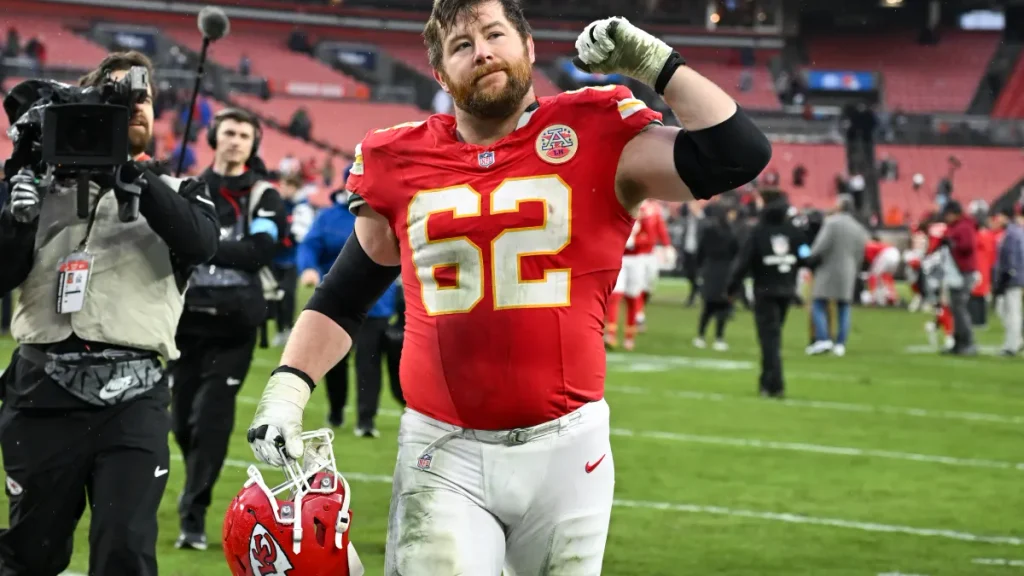
Joe Thuney (tagged, then walked, 2020 and 2021). One of the best guards in the NFL, durable as a cast iron skillet, a man who did not miss a single game in his New England career. The Patriots squeezed every drop of value out of him: instead of a long term deal, they slapped the franchise tag on him in 2020, paying nearly $15 million for one more year of control rather than committing. The next spring he walked to Kansas City on a five year, $80 million contract, where he immediately started protecting Patrick Mahomes, winning Super Bowls, and making All Pro teams while the Patriots are still working on replacing him. Cool.
Jakobi Meyers (walked, 2023). An undrafted kid who clawed his way into the lineup and became the quarterback’s best friend, for a stretch the closest thing the Patriots had to a true number one receiver. When he reached free agency in 2023, New England let him leave for the Raiders on a three year, $33 million deal without much of a fight. He’s been quietly productive ever since, and every fan who’s watched the receiver room struggle in the years since has felt that one.
See the thread? Guards, tackles, edge rushers, safeties, receivers, across positions, eras, and coaching regimes. Beloved, productive, “core” guys, and the Patriots almost never paid them a year early. They made them play it out.
The Exceptions: They Do Pay Early, When It’s Cheap
Now, before you accuse the franchise of never opening the checkbook, let’s be fair. There are exceptions. And if you line them up, they tell you exactly what kind of player gets the early bag in Foxborough. Spoiler: it’s the affordable kind.
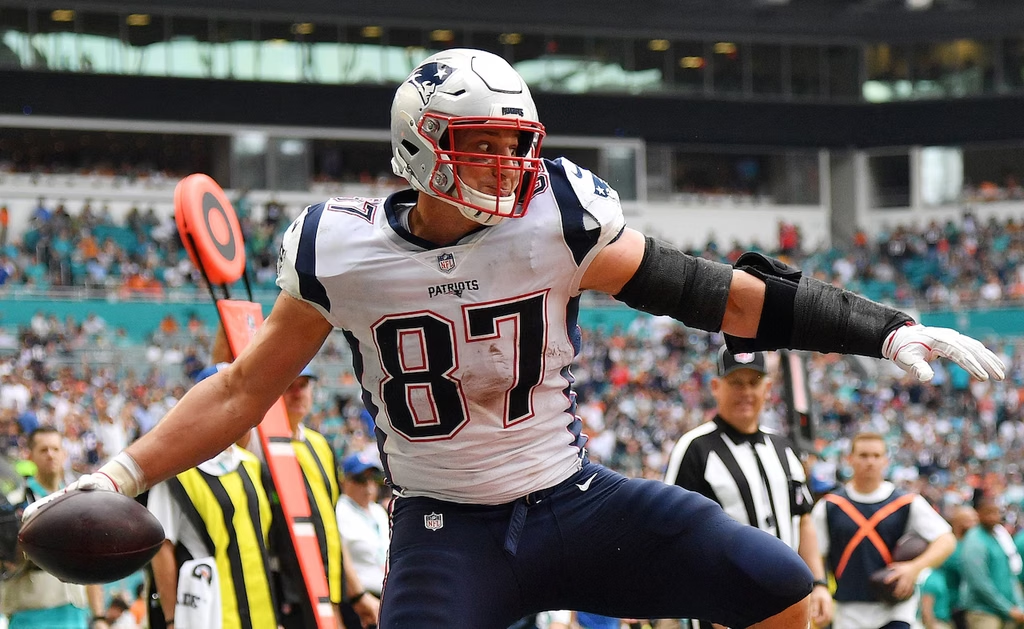
Rob Gronkowski (extended, 2012). Gronk got a six year, $54 million extension in June 2012 with two full seasons still left on his rookie deal, practically unheard of for New England. But here’s the catch: it was a discount. The Patriots locked up a generational tight end before the position’s market exploded and before his own production could drive the number sky high, paying him like a very good tight end rather than the unguardable force he actually was. Team friendly to the core. So much so that Gronkowski fought with the Patriots to restructure it several times.
Aaron Hernandez (extended, 2012). That same summer, the other half of the best tight end duo in football got a five year deal worth up to roughly $40 million, headlined by a then eye popping $12.5 million signing bonus for the position. Same logic: lock up a productive, relatively cheap position early and control the cost for years. (We all know how that one ended off the field. But strictly as a contract decision, it fit the pattern perfectly: cheap position, early value.)
Christian Barmore (extended, 2024). A four year extension worth up to about $92 million in April 2024, signed after just his third season. Big number on paper, but interior defensive tackle sits well below edge rusher and quarterback on the pay scale, and they got it done before he ever sniffed the open market. Premium player, non premium position, controlled price.
Rhamondre Stevenson (extended, 2024). Four years, $36 million for the running back in the summer of 2024. In today’s NFL, running back is the single most devalued position in football, and the Patriots knew it. They bought low on a workhorse back for what amounts to loose change in the modern cap. Classic value shopping.
Marcus Jones (extended, 2025). A three year, $36 million extension in October 2025 for the slot corner and electric return man who once walked off the Jets with a last second punt return touchdown. Sounds like real money until you look closer: even at its 2028 peak, the deal barely sneaks Jones into the top 15 cornerbacks in the league by cap hit. That’s the Patriots handing out an “early” extension and still paying below the top of the market.
Put them side by side and the tell is obvious. The Patriots will absolutely pay a young player early, as long as he plays a cheaper position, signs a team friendly structure, or gets locked up before the market can catch up. What they will not do is preemptively hand a market resetting, top of the league, “highest paid at his position in history” contract to a guy with years of control still left. That’s not their game. That has never been their game.
Which Brings Us to the Christian Gonzalez Contract
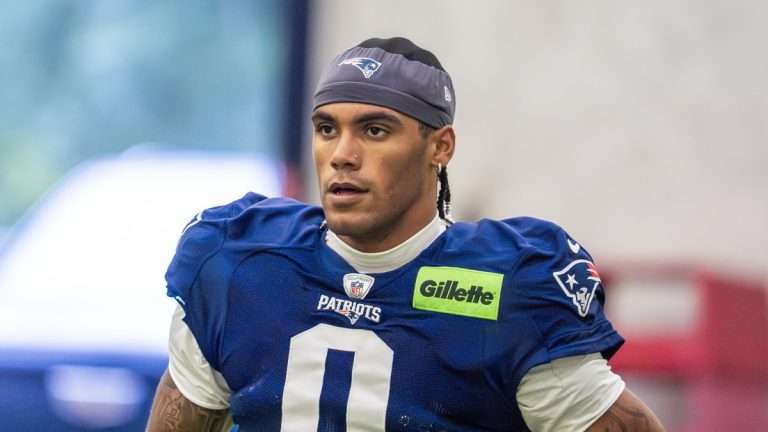
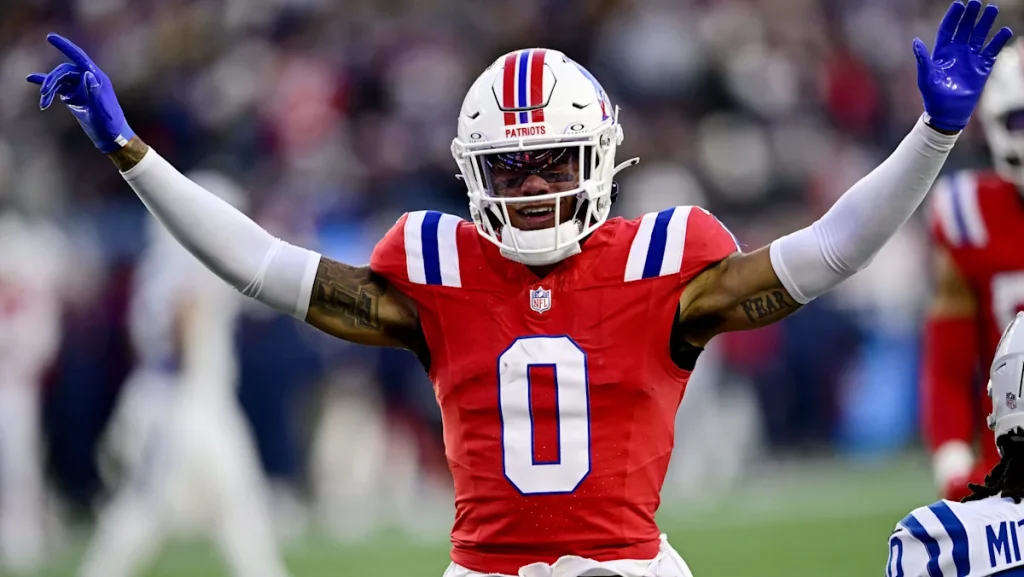
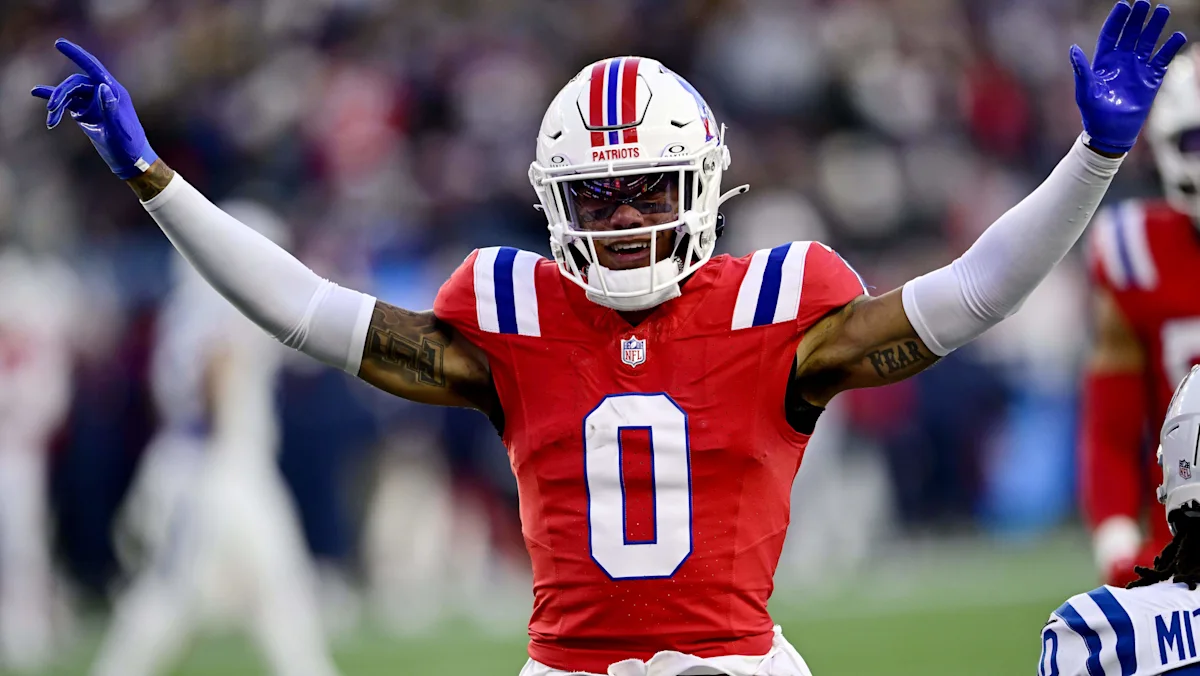
And now you see the problem with the Christian Gonzalez contract. Gonzalez isn’t a slot corner. He isn’t a running back. He isn’t a value play at a discounted position. He’s a first round outside cornerback, arguably the best young corner in football, and the number it takes to keep him is exactly the kind of number the Patriots have spent twenty years refusing to pay early.
The market has run away in a hurry. Sauce Gardner reset the corner ceiling at around $30.1 million a year. Then Seattle handed Devon Witherspoon a four year, $132 million deal, the move that turned all eyes squarely onto Gonzo. To top that, Gonzalez is reportedly looking at something in the neighborhood of four years and $125 million in new money, call it roughly $31 million a season. Robert Kraft has publicly said the team offered Gonzalez the richest cornerback contract in NFL history, and it still hasn’t gotten done.
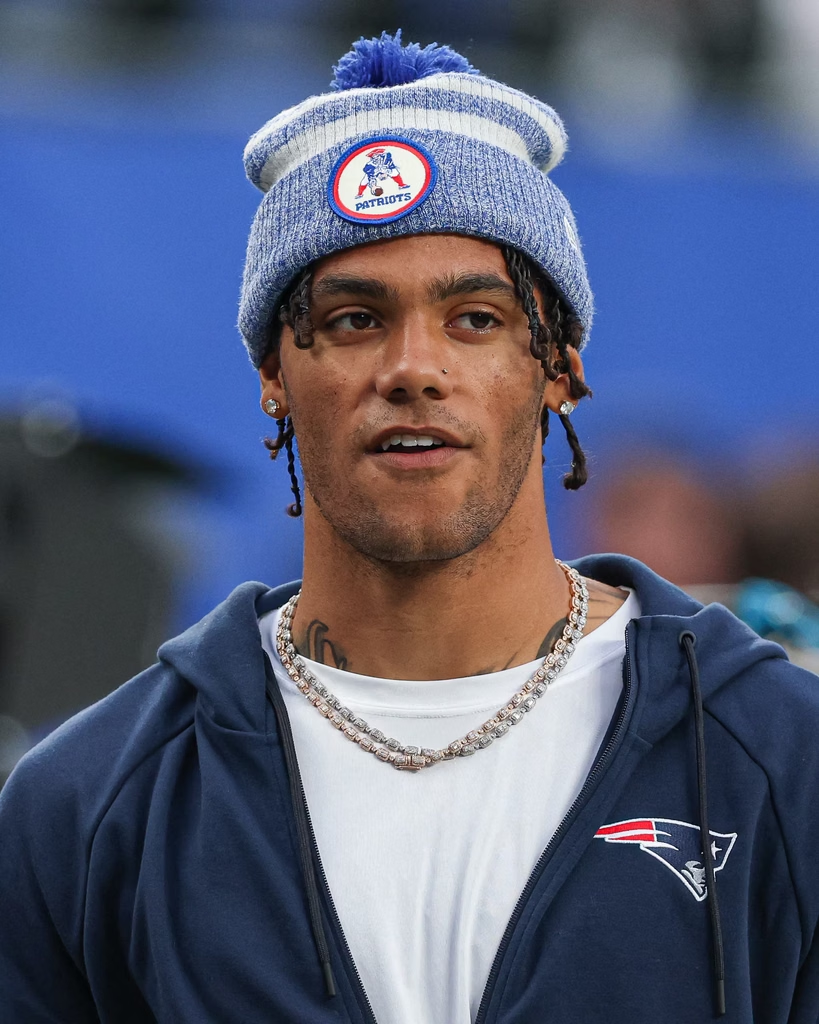
Why not? Because the sticking points are peak Patriots. According to reporting on the negotiations, the team wants heavy per game roster bonuses, pay as he plays language they’re justifying with his durability history (a hamstring cost him three games in 2025; shoulder surgery wiped out most of his rookie season), plus guarantee vesting schedules that lock in later than the market standard. In plain English: the Patriots are trying to write a record breaking deal that protects the team like it’s a mid tier one. Gonzalez is frustrated, and he’s said as much. Meanwhile he’s still on a rookie deal paying roughly $4.8 million in 2026, with a fully guaranteed fifth year option worth about $18.1 million waiting in 2027.
Read that last sentence again, because it’s the whole ballgame. The Patriots don’t have to do anything. They control Gonzalez through 2026, and they control him again in 2027 on that option. Leverage, the exact thing this front office worships, is entirely on their side. And history says that when the Patriots hold the leverage and the price is top of market, they wait. They make you play it out.
The Part Patriots Fans Really Aren’t Going to Like
Here’s where I put my drink down and tell you the thing you came here not to hear.
There’s a bigger check coming, and it dwarfs anything Gonzalez is asking for. Drake Maye.
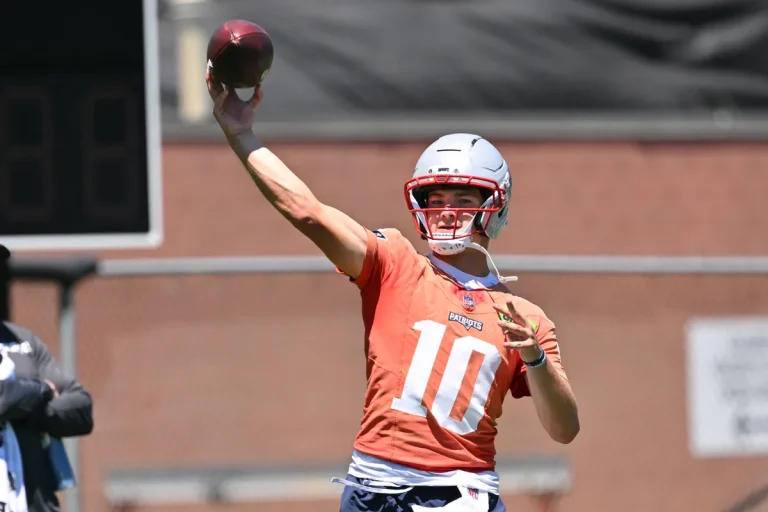
Maye is on a four year rookie deal worth about $36.6 million that runs through 2027, and he becomes extension eligible after this coming season, meaning next offseason, the Patriots can, and almost certainly will, hand him the biggest contract in franchise history. With the quarterback market where it is post Mahomes, people around the league are already whispering numbers in the $65 to $70 million per year range. Not total. Per year.
That is not optional. You do not develop a franchise quarterback, watch him play like a franchise quarterback, and then let him get to the doorstep the way you did with Solder or Thuney. You pay Drake Maye. Full stop. That’s the one bill in this entire building that cannot wait.
So do the math. A $65 to $70 million quarterback and a $31 million cornerback on the same books, both paid at the very top of their positions, is a brutal amount of cap tied up in two players, the exact kind of top of market double commitment this franchise has spent two decades avoiding. Something has to give. And when you line up the Patriots’ entire history against the leverage they’re holding, the uncomfortable conclusion writes itself:
Making Christian Gonzalez play out the 2026 season, and then moving on from him next offseason, is not out of the cards. Not even close. It would be the most Patriots thing imaginable: prioritize the quarterback, refuse to reset the corner market, lean on the leverage, and let a great player walk to the doorstep. We’ve watched them do it to Mankins, Chandler Jones, Solder, Thuney, and Meyers. Loving the player has never once stopped them.
Nobody wants to hear it. I don’t love typing it. Things can certainly change. But if you’ve been paying attention for twenty years, you already know: in Foxborough, being great isn’t enough. Being great and affordable is the deal. Right now, Christian Gonzalez is only one of those two things.
Buy the next round. We’re going to need it.
About The Author